How to Evaluate Listings in Digital Auction
 |
| How to Evaluate Listings in Digital Auction |
Introduction
Let’s be honest—scrolling through digital auction listings can feel a bit like speed dating with gym equipment. Some listings instantly catch your eye with sleek images and low starting bids. Others? They raise more questions than they answer. In the world of online auctions, knowing how to evaluate what you’re looking at is half the battle—and often the difference between a smart purchase and a regret-filled one.
Whether you're a seasoned buyer or just exploring the online auction scene for the first time, learning how to assess listings beyond face value is crucial. Let’s break it down in a human, practical way.
1. Don’t Let Glamour Shots Fool You
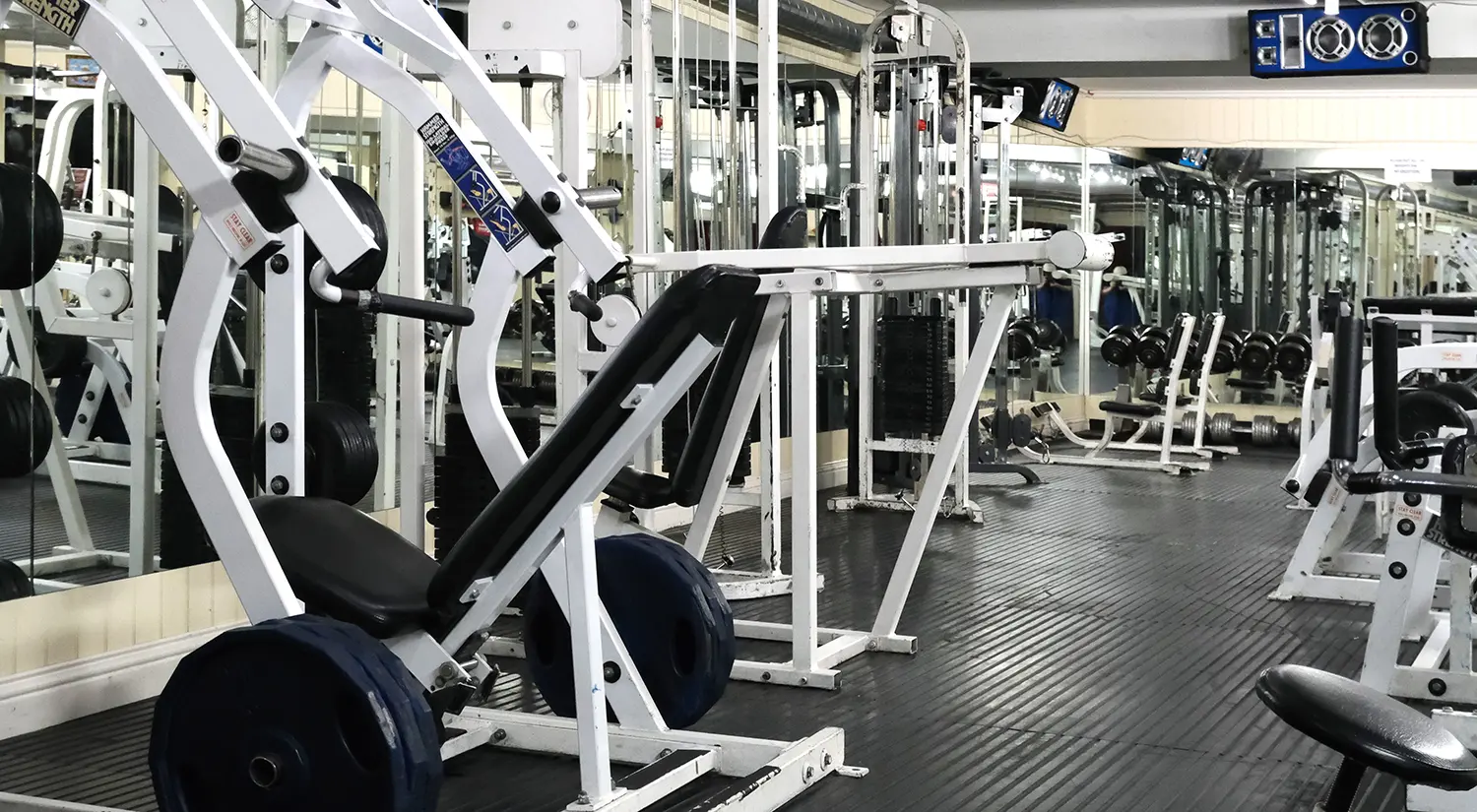
Pictures are important, sure—but they can lie. Or at least, they can omit the full truth. When evaluating any piece of auction gym equipment, don’t be dazzled by a single perfectly lit photo.
Look for:
Multiple angles (front, back, sides)
Close-ups of wear-and-tear (rust, dents, scratches)
Manufacturer tags and model numbers
If you're only seeing stock images or vague shots from far away, be cautious. Quality listings don’t hide the details—they highlight them.
2. Read Between the (Listing) Lines
A well-written product description is gold. A vague one? Red flag.
Check for these essential details:
Year of manufacture
Usage history (commercial vs. personal gym use)
Service or maintenance records (if available)
Any known issues (noise, wobble, etc.)
If a seller avoids specifics and uses filler language like "great condition" without backing it up, it’s worth digging deeper or even skipping the listing. Transparency is a strong signal of a reputable seller.
3. Know the Market Price Before You Bid
Let’s say you’re eyeing a used elliptical machine. Before placing your bid, spend five minutes checking the retail and resale prices for the same model. Use fitness forums, resale platforms, or even local marketplaces for comparison.
Why? Because digital auctions often play on emotion—bidding wars feel exciting, but they can easily push the final price above what you’d pay buying the equipment elsewhere.
Pro Tip: Use the “Watchlist” or “Save Listing” features on auction platforms. Let the bidding simmer before jumping in. Observe how the price moves. This gives you a clearer sense of its true value.
4. Look Closely at Shipping and Pickup Options
You find a killer deal. But then you read the fine print: “Buyer must arrange pickup within 24 hours.” If the auction is five states away and you're not local, you’re stuck.
Every listing should clearly spell out:
Shipping costs (flat fee vs. weight-based)
Pickup location and time window
Whether disassembly or help loading is required
Gym equipment isn’t exactly light or compact. Unexpected logistics can easily wipe out the savings you thought you were getting.
5. Evaluate the Seller, Not Just the Product
If you’re browsing on platforms that allow seller ratings or feedback, use them. A great item sold by a flaky seller can lead to headaches.
Check for:
Verified business accounts
Return policies (even partial ones are a plus)
Prompt communication or Q&A response times
Ask a question, even if it’s something simple like, “Has this been in storage or active use recently?” The response time and tone can be very telling.
6. Zoom Out—How Does This Fit Into Your Plan?
Here’s where a lot of buyers get tripped up. You find a cool piece of gear. The price is right. But—does it fit your space? Does it support your goals?
Let’s say you're building out a boutique home gym. Do you really need a leg press that takes up 80 square feet, or would a versatile cable machine do more for your routine?
Evaluate listings in the context of:
Space requirements
Electrical needs (some cardio gear requires special outlets)
Complementarity with other equipment you own
If you're trying to make smarter buying decisions, it’s worth revisiting our guide: Navigating the World of Online Fitness Equipment Auctions. That piece breaks down planning strategies and budget alignment before you even start browsing.
7. Beware of “Too Good to Be True”
This might sound obvious, but it needs to be said: if a listing offers top-tier, commercial-grade auction gym equipment for a tenth of the price and barely-used condition, pause. Ask yourself:
Is this item stolen or misrepresented?
Is there a catch in the fine print?
Has the seller sold similar items before with positive feedback?
Trust your gut, but also trust your browser. Cross-reference models, past auction listings, and seller reviews. Skepticism saves money.
Conclusion
Evaluating listings in a digital auction isn’t just about knowing what to buy—it’s about knowing how to buy it. Clear photos, honest descriptions, fair shipping, and seller transparency all matter. But your mindset matters even more. Take a breath, compare, ask questions, and don't let the thrill of the bid cloud your judgment.
When done right, digital auctions can be a treasure trove for scoring high-quality auction gym equipment without breaking your budget. But like any treasure hunt, it pays to look beyond the surface.


Comments
Post a Comment