Commercial Restaurant Equipment Auctions: Scaling Up Without Breaking the Bank
 |
| Commercial Restaurant Equipment Auctions: Scaling Up Without Breaking the Bank |
Key Takeaways
Auctions can help restaurants, cafés, and food businesses scale affordably by giving access to quality equipment at lower costs.
Smart bidding, research, and inspection are critical to making good purchases.
Both new entrepreneurs and established operators can benefit from exploring auction opportunities.
The commercial equipment auction process requires patience, timing, and knowledge of market value.
Scaling up doesn’t always mean overspending—auctions offer a path to grow without draining capital.
Introduction: The Hidden Shortcut to Growth
Ask any restaurant owner about scaling their business, and they’ll probably talk about high costs. From kitchen ranges to commercial refrigerators, the price tags on professional equipment can make even seasoned entrepreneurs hesitate. But here’s the thing—there’s a smarter, often overlooked path: commercial equipment auction events.
These auctions are where high-quality ovens, grills, mixers, and entire kitchen setups change hands for a fraction of retail price. They’re not just about buying cheap; they’re about stretching every dollar without compromising on quality. Whether you’re opening your first food truck, adding a second location, or revamping a kitchen, auctions can be the game-changer that lets you scale up without burning through your budget.
Let’s dive deeper into how this works, why it’s worth considering, and how you can use it to grow strategically.
Why Auctions Make Sense for Restaurants
Restaurants live on tight margins. Labor, rent, ingredients, utilities—it all adds up. Equipment, however, is one of the biggest upfront costs, and unlike rent, you can control it.
Auctions solve this in three powerful ways:
1.Lower Entry Costs
Brand-new kitchen appliances often come with jaw-dropping prices. Auctions slash that barrier by letting you bid on gently used or surplus gear.2.Access to Quality Brands
Auctions often feature equipment from restaurants that closed, remodeled, or overstocked. This means you might find premium brands at prices you’d normally never touch.
3.Sustainability and Circular Economy
Reusing commercial gear isn’t just cost-effective—it’s environmentally smart. Instead of buying new, you’re extending the life of existing machines.
Scaling with auctions isn’t just thriftiness; it’s strategy.
How a Commercial Equipment Auction Works
If you’ve never attended one, the process might feel mysterious. But it’s surprisingly straightforward:
1.Listing and Cataloging
Auction houses list the available items, often with photos, descriptions, and sometimes inspection reports.2.Previews and Inspections
Buyers usually get a chance to see equipment in person. This is where you check condition, brand, and potential issues.
3.The Auction Itself
Bidding can be live, online, or hybrid. The highest bidder takes the item, often paying a small buyer’s premium on top.
4.Payment and Pickup
After winning, you arrange payment and collect your equipment.
Once you’ve done it once or twice, the rhythm becomes second nature.
The Financial Case: Auctions vs. Buying New
Let’s break down the numbers with a simple comparison:
New 6-Burner Range: $8,000 – $12,000
Auction Price: $2,500 – $4,000
Commercial Refrigerator: $5,000 new
Auction Price: $1,500 – $2,000
The savings are obvious. Even if you budget for occasional repairs, you’re still far ahead compared to buying new. For startups, this could mean the difference between opening this year or waiting another two. For established restaurants, it could fund marketing, staff training, or another expansion.
The Risks—and How to Manage Them
Of course, auctions aren’t without risks. Some common concerns include:
Unknown Condition: Equipment may not always come with warranties.
Bidding Wars: Prices can climb if too many bidders chase the same item.
Hidden Fees: Buyer’s premiums and transport costs can add up.
How to counter these?
Always inspect before bidding.
Set a firm budget and stick to it.
Read the fine print so you’re not surprised by fees.
When approached thoughtfully, auctions lean heavily in your favor.
Scaling Strategies with Auctions
1. For Startups
Auctions allow first-time owners to equip a full kitchen on half the budget. Instead of blowing capital on shiny new gear, you can invest more in marketing, staff, or inventory.
2. For Growing Restaurants
Opening a second or third location? Auctions help you replicate your setup without doubling your financial burden.
3. For Specialty Concepts
Maybe you’re experimenting with a bakery corner or adding a coffee bar. Auctions let you test new concepts cheaply before going all in.
4. For Resellers
Yes, some entrepreneurs even buy at auctions to resell at a markup. This works especially well if you’re familiar with equipment values.
Scaling isn’t just about size—it’s about flexibility. Auctions keep you nimble.
Insider Tips for Winning at a Commercial Equipment Auction
Research Beforehand: Look up the retail value of items so you know your ceiling.
Arrive Early: Inspect equipment and get a feel for the competition.
Don’t Get Emotional: Bid with your head, not your ego.
Bundle Purchases: Sometimes buying in lots (e.g., full sets of chairs, or multiple ovens) gets you a better deal.
Plan Transport: Make sure you have a truck or mover ready. Auctions don’t wait around.
These small tactics can turn a good deal into a great one.
Real-World Stories
The Family Café Expansion
A couple in Texas bought nearly all the equipment for their second café through auctions—saving nearly $40,000 compared to retail. That money instead went toward a patio renovation that doubled their seating.
The Food Truck Dream
An aspiring food truck owner managed to launch with half the expected costs by sourcing grills, fryers, and prep tables from auctions. They went from idea to opening in under a year.
Stories like these aren’t rare—they’re what auctions make possible.
The Emotional Side of Auctions
It’s not just about dollars. There’s something thrilling about an auction—the anticipation, the competition, the satisfaction of winning. Many restaurant owners describe it as addictive in the best way. It transforms buying into an experience rather than a burden.
And beyond that, there’s a sense of community. You meet other business owners, share stories, and sometimes even form partnerships.
The Role of Online Auctions
In the past, you had to physically attend. Now, many auctions are online or hybrid. This expands your options massively—you could be in Chicago buying a mixer in New York.
Pros of online auctions:
Broader selection
Bid from anywhere
Flexible timing
Cons:
Harder to inspect equipment
Shipping costs can be higher
For many, the convenience outweighs the drawbacks, especially for smaller items.
Scaling Beyond Equipment
Here’s the bigger picture: scaling a restaurant isn’t just about buying gear. It’s about freeing up resources for everything else—branding, customer experience, training, and menu development.
By saving thousands at auctions, you open doors elsewhere in your business. That’s the real power.
Common Mistakes to Avoid at Auctions
Even seasoned operators sometimes stumble in auction environments. The excitement, speed, and sense of competition can cloud judgment. Here are pitfalls to watch out for:
Overbidding in the Heat of the Moment: When adrenaline kicks in, it’s easy to bid past your original budget. Remember: just because someone else wants it doesn’t mean you should.
Forgetting About Storage and Transport: Winning is the fun part—but what happens next? Many buyers fail to plan how to haul large appliances. Oversized refrigerators or ovens often require professional movers.
Ignoring Buyer’s Premiums and Taxes: That “$1,200 steal” might actually cost you $1,500 after fees. Always calculate the all-in price.
Not Inspecting Electrical/Gas Requirements: An oven designed for a 240V line or a fryer that requires a natural gas hook-up may not match your facility. Double-check compatibility before bidding.
Failing to Research Market Value: Some bidders pay nearly retail price without realizing it. Five minutes on Google can save thousands.
Avoiding these mistakes can transform your experience from frustrating to financially rewarding.
The Psychology of Bidding
There’s a fascinating psychological layer to auctions. Sellers rely on competitive instincts to drive prices up, while buyers often get swept away by “fear of missing out.” Understanding these dynamics makes you a smarter bidder.
Anchoring Bias: If the auctioneer starts high, bidders may overestimate value. Always stick to your own valuation.
Competition Effect: Bidding against another person feels like a challenge—it becomes about winning rather than buying wisely.
Time Pressure: Auctions move fast. Quick decisions can lead to regrets later.
The best strategy? Go in with a number in mind and refuse to budge, no matter what emotions rise in the room.
Types of Equipment You’ll Find
 |
| Types of Equipment You’ll Find |
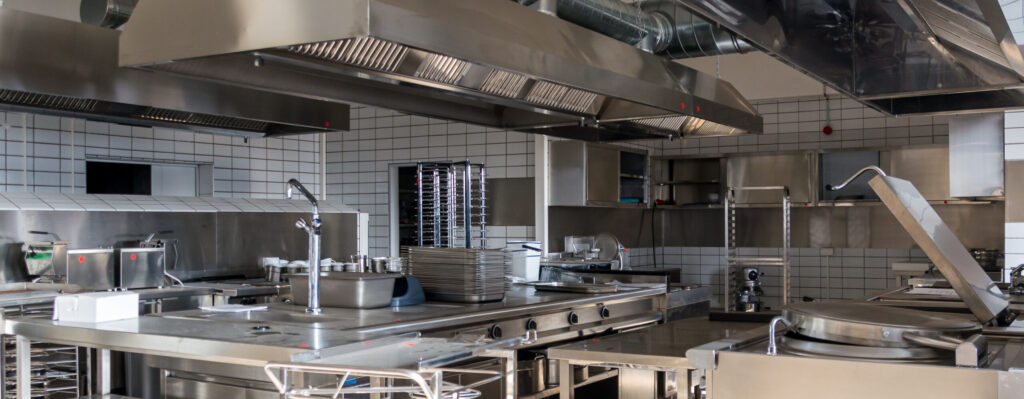
Cooking Equipment: Ranges, fryers, grills, pizza ovens, tilt skillets.
Refrigeration: Walk-in coolers, prep fridges, undercounter units.
Beverage Gear: Espresso machines, coffee brewers, soda dispensers.
Bakery & Prep: Mixers, dough sheeters, slicers, blenders.
Furniture & Décor: Tables, booths, bar stools, patio furniture.
Smallwares: Pots, pans, trays, utensils—often sold in bulk lots.
Sometimes entire restaurants are liquidated in one auction, which means you could essentially outfit an entire kitchen in a single day.
Regional Auction Insights
The way auctions work can vary by region.
United States: Large cities often have frequent restaurant liquidations, giving plenty of choice. Online platforms also make cross-country bidding easy.
Europe: Auctions here often emphasize sustainability, with eco-conscious buyers seeking to repurpose quality gear.
Asia: Rapid turnover in hospitality leads to a steady supply of barely-used equipment.
Emerging Markets: In regions with growing food industries, auctions are smaller but can still offer excellent opportunities.
Knowing your local landscape helps you plan better—especially when considering transport costs.
Preparing for Your First Auction
Think of an auction like a sport—you don’t just show up on game day. Preparation makes all the difference.
1.Do Market Research
Know the retail and resale value of items on your list. Create a spreadsheet with maximum bid limits.2.Check the Auctioneer’s Reputation
Look for reviews, ask other buyers, and make sure the auction house has a history of fair dealings.
3.Bring the Right Tools
Flashlight, gloves, measuring tape, and a phone with internet access are handy.
4.Have Financing Ready
Some auctions require immediate payment or deposit. Ensure your credit card, check, or cash is prepared.
5.Inspect Carefully
Look for rust, broken parts, or signs of poor maintenance. Run your hand over surfaces. Open every door.
Preparation transforms you from a casual bidder into a confident buyer.
The Resale and Flip Opportunity
Not every buyer is a restaurant owner. Many savvy entrepreneurs use auctions to buy low and sell high. Here’s how:
Buy in Bulk: Grab lots of chairs, tables, or smaller appliances, then resell individually at a markup.
Refurbish: A lightly used mixer may need only a cleaning or minor repair before reselling at near-retail value.
Niche Markets: Coffee enthusiasts, food truck operators, or home chefs often look for single pieces of commercial-grade gear.
Resale can turn auctions into a side hustle—or even a full-fledged business.
The Role of Technology in Modern Auctions
Technology has revolutionized the auction world:
Virtual Tours: Some auction houses now offer 360° walkthroughs of inventory.
Mobile Bidding Apps: Bid in real-time from your phone while running your business.
Automated Alerts: Set notifications for specific equipment types so you never miss out.
AI Pricing Tools: Platforms increasingly use algorithms to suggest reserve prices and predict bidding trends.
For buyers, this means more transparency, better access, and a smoother process overall.
Auction vs. Leasing vs. Buying New
 |
| Auction vs. Leasing vs. Buying New |
It’s worth comparing all three options:
Auctions: Best for upfront savings, variety, and immediate availability. Downside: items are “as-is.”
Leasing: Low upfront cost and maintenance often included, but you never own the equipment outright.
Buying New: Guarantees warranties and latest models, but at the highest cost.
The best strategy might even be a blend: secure essentials at auctions, lease cutting-edge tech, and buy new only when warranties are critical.
Sustainability and Auctions
Beyond cost savings, auctions contribute to sustainability in hospitality. Reusing equipment reduces landfill waste, cuts down on manufacturing emissions, and supports a circular economy. Many restaurants now highlight this eco-conscious approach as part of their brand story.
Customers notice. “We built our kitchen sustainably with pre-owned equipment” is a story that resonates with eco-aware diners.
Networking at Auctions
People often forget auctions aren’t just about equipment—they’re about connections. You’ll meet:
Restaurant owners
Food truck entrepreneurs
Resellers and distributors
Service technicians
These connections can lead to partnerships, supplier deals, or even mentorship. Networking at auctions can be just as valuable as the items you bring home.
Future Trends in Restaurant Equipment Auctions
Where is this market headed? A few trends are already emerging:
More Online-First Events: Expect physical auctions to decline in favor of digital platforms.
Data-Driven Pricing: Market insights will be used to guide bidding more transparently.
Sustainability Focus: Auctions will increasingly market themselves as eco-friendly choices.
Cross-Industry Auctions: Expect overlap with hotel, catering, and event industries, broadening the scope of available gear.
Being aware of these trends keeps you ahead of the curve.
Conclusion: Scaling Smart, Not Expensive
Scaling your restaurant doesn’t mean emptying your bank account or taking on crushing debt. With the right approach, a commercial equipment auction can equip you with the tools you need at a fraction of the cost.
The strategy isn’t about cutting corners—it’s about being smart. From startups to established chains, auctions give food entrepreneurs a path to grow while keeping finances balanced.
FAQs
1. Are commercial auctions only for big restaurants?
No, they’re open to anyone—small cafés, food trucks, catering companies, or even individuals looking for professional gear.
2. How do I know if the equipment is reliable?
Always attend previews if possible. Check the condition, brand reputation, and ask for maintenance history. If buying online, request extra photos or reports.
3. Do auctions sell only used items?
Mostly yes, but you can also find new or barely used equipment from overstock, store closures, or liquidation sales.
4. What’s a buyer’s premium?
It’s an extra fee (usually 10–20%) added to the final bid. Factor this into your budget so you’re not caught off guard.
5. Can I return equipment if it doesn’t work?
Typically, auctions sell items “as-is.” That’s why inspection is so important. Consider hiring a technician to help evaluate big-ticket purchases.


Comments
Post a Comment