Researching Equipment Specs Before Online Bidding
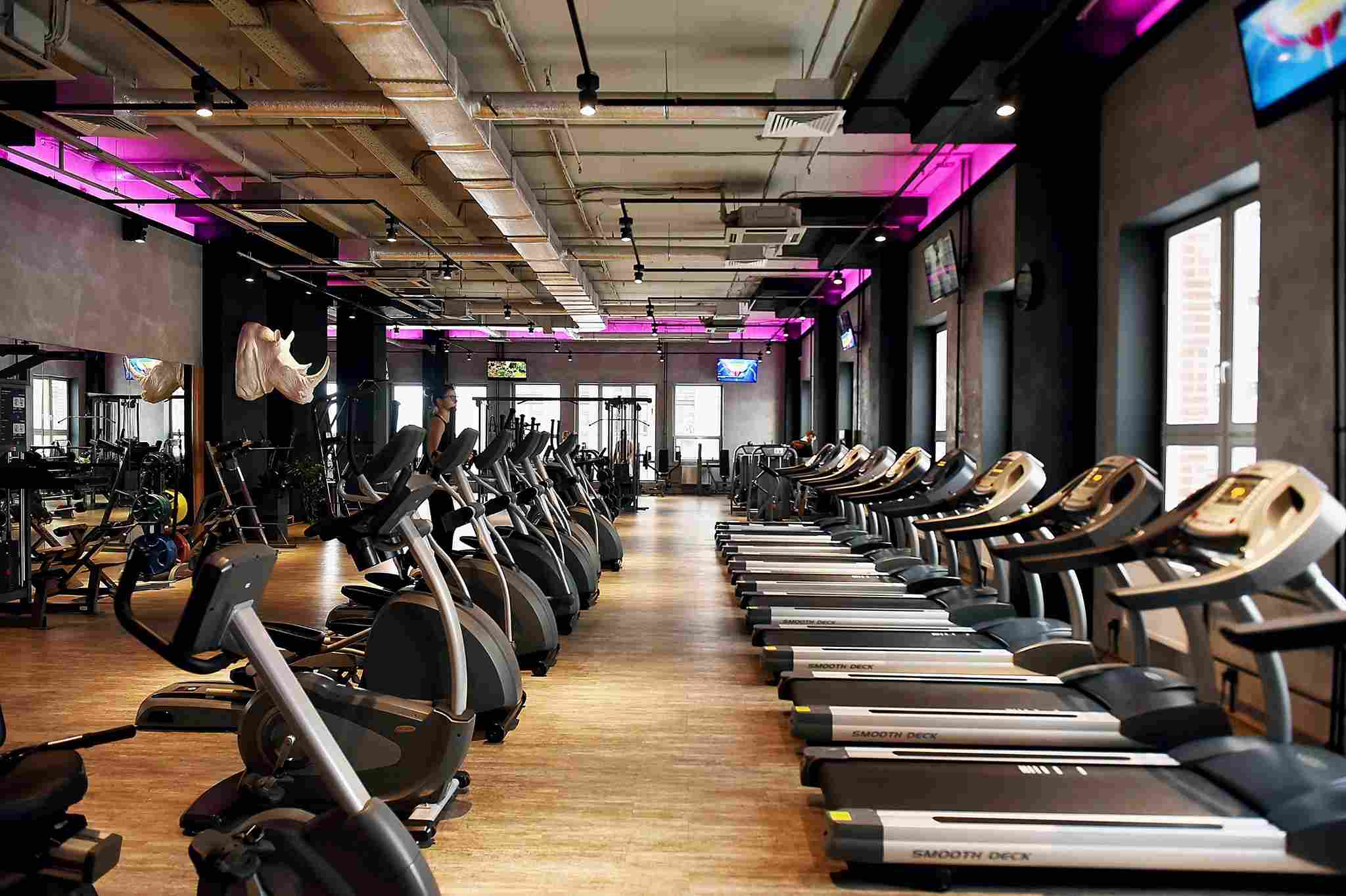 |
| Researching Equipment Specs Before Online Bidding |
Buying fitness gear through online auctions can be exciting—especially when you see high-quality machines listed at a fraction of retail prices. But there’s a catch: bidding blind without knowing exactly what you’re getting can turn into a costly mistake. Researching equipment specs before placing that first bid is not just helpful, it’s absolutely necessary. Whether you’re a gym owner looking to upgrade or an individual building a home setup, taking the time to dive into the details will save money, frustration, and plenty of headaches.
Why Specs Matter More Than Price
It’s tempting to focus on the opening bid or that final price point, but those numbers don’t tell the whole story. Specs give you the real picture of what the machine can handle. For example, a treadmill may look impressive in photos, but if it’s built for light residential use rather than heavy-duty gym sessions, it won’t last long in a commercial environment. Similarly, resistance machines with limited weight stacks might not meet the needs of your clients or training goals.
When you know the specs inside and out, you can compare apples to apples. That “deal” that looks unbeatable at first might not actually be a deal once you realize the machine is outdated or undersized for your needs.
Digging Into Brand and Model Details
The first step in research is noting down the exact brand and model number. A quick search can reveal the machine’s specifications, manufacturing year, and reviews from other users. Many brands have product sheets or manuals available online that break down key details such as dimensions, weight limits, motor power, and warranty information.
Pay attention to:
Motor capacity for cardio machines like treadmills and bikes.
Weight stack size for strength equipment.
Frame durability and build material.
Digital console features, especially for newer models with performance tracking.
Understanding these specs helps you know what the machine was designed for and whether it aligns with your own needs.
Condition vs. Capability
Specs alone don’t tell the whole story. A ten-year-old machine with great specs might still underperform if it’s been overused or poorly maintained. When researching, look for any available service history or maintenance records. Ask the auction house if the equipment was pulled from a functioning gym or if it has been sitting unused.
Some listings include inspection reports, but if they don’t, see if you can schedule a preview or at least request additional photos or videos. Specs combined with condition give you the full scope of what you’re buying.
Compare Against Market Value
Another step in your research is comparing the specs of the item against similar listings in the broader marketplace. This helps you know if the auction’s starting price is genuinely competitive. You might find that certain machines with higher-grade specs consistently fetch higher resale values, while others depreciate quickly. This kind of insight can help you set smarter bidding limits.
Think Ahead: Compatibility and Space
One mistake many buyers make is ignoring how equipment specs affect practical setup. Dimensions and weight matter a lot—especially if you’re bringing machines into a tight home gym or a commercial space with limited room. Double-check ceiling heights for cable machines and clearance space for treadmills or ellipticals. Specs will usually include exact measurements that can save you from a nightmare delivery situation.
Additionally, consider compatibility with other equipment. For example, if you’re bidding on selectorized machines, make sure the attachments or accessories you already own can work with the new pieces.
Balancing Specs With Your Goals
Ultimately, the specs you care about most should align with your fitness or business goals. A boutique studio focused on high-intensity interval training might need heavy-duty rowers and durable treadmills, while a home user could prioritize compact size and quieter operation.
Specs give you the lens to decide whether the machine fits the purpose you have in mind.
The Role of Due Diligence in Winning Auctions
Online bidding rewards preparation. When you’ve already done the research, you can confidently place bids without second-guessing yourself. Instead of chasing every shiny deal, you’ll know exactly which machines to target and which to skip. That confidence often translates into smarter purchases and less buyer’s remorse.
For more strategies on how to approach the bidding process itself, check out our related piece on Navigating the World of Online Fitness Equipment Auctions.
Conclusion
Researching specs before bidding isn’t just a box to check—it’s your safety net in the unpredictable world of online auctions. Specs tell you whether the machine can perform the way you need, whether it’s worth the asking price, and whether it’ll actually fit in your space. Skipping this step might mean ending up with equipment that looks good in pictures but fails in practice.
So before you dive headfirst into an online auction, slow down and investigate the details. Knowing the difference between a treadmill designed for casual use and one built for commercial training can make or break your investment. At the end of the day, the smartest buyers of auction gym equipment are the ones who know the specs inside out.


Comments
Post a Comment