Mastering Brewery Equipment Efficiency – A Practical Buyer’s Blueprint
 |
| Mastering Brewery Equipment Efficiency – A Practical Buyer’s Blueprint |
Running a brewery is more than just brewing great beer. Behind every pint, there’s a carefully orchestrated system of tanks, pumps, kettles, and filters that must operate efficiently. For brewers and brewery owners, understanding how to maximize the performance of brewery equipment is as important as crafting the perfect recipe. In this guide, we break down practical strategies for assessing, selecting, and maintaining equipment to achieve optimal efficiency.
Key Takeaways:
Efficient brewery equipment is critical to maximizing production and minimizing costs.
Proper assessment before purchase can prevent costly mistakes.
Understanding equipment lifecycle, space requirements, and upgrade opportunities ensures long-term value.
Both new and used equipment have distinct advantages; informed decision-making is essential.
1. Why Equipment Efficiency Matters
Efficiency in brewery equipment isn’t just a buzzword—it’s the backbone of a sustainable brewing operation. Efficient equipment:
Reduces operational costs by lowering energy, water, and labor consumption.
Minimizes downtime caused by malfunctions or maintenance issues.
Improves product consistency and quality.
Increases overall production capacity without significant capital investment.
Consider a brewery struggling with inconsistent fermentation temperatures due to inefficient cooling systems. The result? Batch inconsistencies, wasted raw materials, and higher energy bills. In contrast, a well-maintained, high-efficiency system ensures each batch meets quality standards while keeping costs under control.
2. Assessing Your Current Equipment
Before investing in new machinery, it’s crucial to evaluate your current setup. Start with:
2.1 Energy and Water Consumption:
Track energy use for each major piece of equipment. Fermentation tanks, boilers, and chillers are often energy-intensive. Water usage can also spike, particularly in cleaning cycles. Identifying high-consumption units helps prioritize upgrades.
2.2 Maintenance Records:
Equipment with frequent breakdowns may indicate underlying inefficiencies. Maintenance history reveals hidden costs that aren’t immediately obvious in purchase price calculations.
2.3 Production Bottlenecks:
Observe where production slows. Are transfers between tanks taking too long? Are pumps underperforming? Bottlenecks indicate equipment that may not be scaling with demand.
3. Key Factors When Buying New or Used Equipment
Purchasing decisions in a brewery are high-stakes, whether buying brand-new or sourcing from a brewery equipment auction. Here’s what to focus on:
3.1 Equipment Age and Condition:
New equipment guarantees the latest technology and warranties but comes at a premium. Used equipment can offer great value, provided it’s thoroughly inspected. Look for corrosion, worn seals, outdated control systems, and other signs of wear.
3.2 Production Needs:
Match equipment capacity with your brewery’s growth trajectory. Oversized tanks might lead to inefficient energy use, while undersized units could limit production.
3.3 Integration and Compatibility:
New equipment should integrate smoothly with existing systems. Incompatibility can lead to inefficiencies or additional retrofitting costs.
3.4 Vendor Reliability:
Always source from reputable sellers. Verified maintenance history and clear documentation of previous use are essential to ensure you’re not buying a liability.
4. Space Planning and Layout Efficiency
Even the most efficient equipment can underperform if your brewery layout is suboptimal. Efficient space planning impacts workflow, safety, and future scalability.
4.1 Workflow Optimization:
Arrange tanks, pumps, and fermenters to minimize unnecessary movement of raw materials. Short, logical transfer routes reduce labor and time.
4.2 Accessibility:
Leave enough space around equipment for cleaning, inspection, and maintenance. Overcrowded setups can lead to delays and accidents.
4.3 Future Expansion:
Plan for scalability. If growth is part of your strategy, leave room for additional tanks, fermenters, or filtration systems.
5. Maintenance Practices for Longevity
Proper maintenance dramatically influences equipment efficiency. Preventive strategies include:
Regular Cleaning: Avoid build-up in tanks, pipes, and filters to maintain consistent performance.
Lubrication Schedules: Pumps, valves, and moving parts require regular lubrication to reduce wear.
Calibration and Testing: Instruments measuring temperature, pressure, and flow need regular checks to ensure accuracy.
Software Updates: Modern breweries rely on automated systems. Keep software current to optimize energy use and workflow.
6. Evaluating Equipment Performance Metrics
Efficiency isn’t subjective; it can be measured. Key performance indicators (KPIs) include:
6.1 Yield:
Percentage of raw materials converted into the final product. High yield reflects both equipment efficiency and process control.
6.2 Energy per Barrel:
Measure electricity and gas consumption per unit of beer produced. High numbers suggest inefficiency.
6.3 Downtime:
Track the frequency and duration of equipment stoppages. Less downtime means higher operational efficiency.
6.4 Labor Hours:
Efficient equipment reduces the labor required per batch, freeing staff for other critical tasks.
7. Upgrading Existing Equipment
Upgrades can often deliver more immediate efficiency gains than purchasing entirely new systems. Consider:
Automated Controls: Upgrading manual systems to automated monitoring reduces human error and optimizes energy use.
High-Efficiency Pumps and Motors: Modern motors consume less electricity and have longer lifespans.
Insulation and Heat Recovery: Retrofitting tanks with better insulation and energy recovery systems reduces heating costs.
Filtration Systems: Advanced filtration equipment speeds up processing and reduces water usage.
8. Choosing Between New and Used Equipment
Deciding between new and used equipment is rarely straightforward. Here’s a practical comparison:
Factor New Equipment Used Equipment
Cost High upfront Lower upfront
Technology Latest May be outdated
Maintenance Minimal initially Varies; depends on prior care
Warranty Usually included Rare; may require inspection
Energy Efficiency Typically superior Check for wear or older standards
Used equipment can be a savvy choice when budget constraints exist or when sourced from a reliable brewery equipment auction, but it demands careful inspection and due diligence.
9. Financial Considerations
Efficiency impacts the bottom line. When planning equipment purchases, consider:
Total Cost of Ownership (TCO): Includes purchase price, energy, water, labor, maintenance, and disposal.
Return on Investment (ROI): Evaluate how upgrades or new purchases improve output and reduce costs over time.
Depreciation: Understand how equipment value declines; this is crucial for accounting and future resale.
10. Common Pitfalls and How to Avoid Them
Even experienced brewers can make mistakes when it comes to equipment:
Overbuying Capacity: Oversized tanks consume more energy than necessary.
Ignoring Maintenance Records: Failing to review the equipment’s history can result in hidden costs.
Neglecting Workflow Planning: Poor layout can negate even the most efficient equipment.
Skipping Energy Audits: Overlooking energy consumption metrics can inflate operational costs.
Avoid these pitfalls by combining thorough research, realistic production planning, and regular audits.
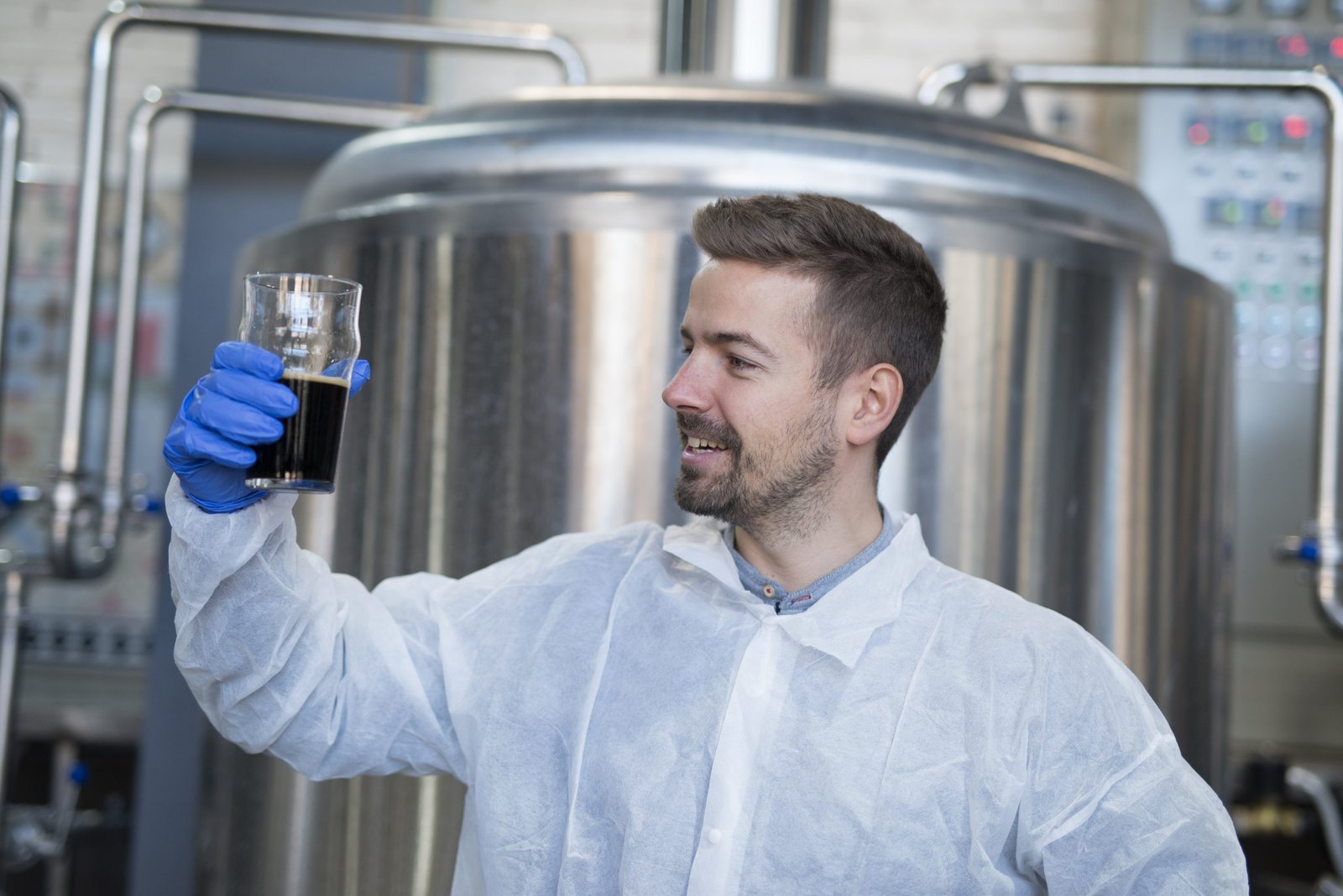 |
| Common Pitfalls and How to Avoid Them |
11. Real-World Case Study
Consider a mid-sized craft brewery that invested in high-efficiency fermentation tanks while retaining some older, used kettles. By automating temperature control and installing energy-efficient pumps, the brewery:
Reduced energy consumption by 18%
Cut downtime by 12%
Increased overall production by 20%
The strategic mix of old and new equipment, combined with careful workflow planning, demonstrates that efficiency isn’t just about buying the latest machines—it’s about smart, informed decision-making.
12. Sustainability and Environmental Impact
Efficiency is closely tied to sustainability. Lower energy and water consumption not only reduce costs but also improve the brewery’s environmental footprint. Modern brewers are increasingly mindful of:
Water recycling systems
Renewable energy integration
Waste reduction through optimized batch planning
Sustainable practices are increasingly a selling point for both distributors and consumers.
13. Final Thoughts and Key Takeaways
Mastering brewery equipment efficiency is a balance of careful planning, smart purchasing, and proactive maintenance.
Efficiency isn’t just about saving money—it’s about creating a resilient, scalable brewery capable of consistently producing high-quality beer. By approaching equipment purchases thoughtfully, breweries can achieve long-term operational excellence.
14. Advanced Strategies for Maximizing Efficiency
While the basics of equipment assessment and maintenance are essential, advanced strategies can help breweries push efficiency to the next level.
14.1 Process Automation
Automation isn’t just a trend—it’s a critical tool for improving consistency and reducing human error. Modern breweries are using automated sensors to monitor:
Fermentation temperatures
Pressure levels in tanks
Flow rates of water and wort
Cleaning cycles
Automating these processes ensures optimal conditions are maintained around the clock. Over time, this reduces energy waste, increases batch consistency, and frees staff for more creative or high-value tasks.
14.2 Predictive Maintenance
Beyond scheduled maintenance, predictive maintenance uses data and analytics to forecast when equipment is likely to fail. For example, vibration sensors on pumps can detect early signs of wear. Addressing these issues before they cause breakdowns reduces unplanned downtime and extends equipment life.
14.3 Energy Recovery Systems
Some breweries are implementing systems that capture excess heat from boiling or fermentation processes. This recovered energy can preheat water for future batches, significantly cutting utility costs and improving environmental sustainability.
15. Case Study: Small Craft Brewery Success Story
Consider a small craft brewery with limited space and budget. By integrating the following strategies, they achieved remarkable efficiency gains:
Equipment Assessment: Identified older chillers consuming excessive energy.
Smart Upgrades: Replaced only the highest-energy-consuming units with energy-efficient models.
Layout Optimization: Rearranged tanks and fermenters to reduce workflow bottlenecks.
Staff Training: Employees were trained on best practices for minimizing waste during cleaning and transfers.
Results:
Energy costs dropped by 22%
Batch-to-batch consistency improved
Production increased without adding new tanks
This example shows that efficiency improvements don’t always require full-scale equipment replacement; strategic decisions and staff engagement can yield significant gains.
16. Sustainability and Compliance
Sustainability isn’t just a buzzword—it has regulatory and market implications. Efficient equipment use reduces environmental impact and helps breweries comply with industry standards.
16.1 Water Conservation
Breweries are major water users, and inefficient cleaning cycles can waste thousands of gallons annually. Installing automated CIP (Clean-In-Place) systems and recycling rinse water ensures compliance with local environmental regulations while cutting costs.
16.2 Waste Reduction
Modern breweries are turning spent grains into products like animal feed or energy sources, while wastewater is treated to reduce environmental impact. Efficient equipment ensures minimal waste generation, aligning with sustainability goals.
16.3 Regulatory Standards
Energy efficiency can help meet local or national sustainability standards, which may impact licensing, certifications, or access to grants and incentives. Being proactive with equipment upgrades positions a brewery as a responsible operator.
17. Choosing the Right Equipment Vendor
Even the best equipment can fail if purchased from an unreliable source. Consider these factors:
Reputation and Reviews: Look for vendors with verified client testimonials.
Maintenance and Service Contracts: Ensure they provide support, even for used equipment.
Documentation and Certification: Equipment should come with manuals, service logs, and safety certifications.
Trial or Demo Opportunities: Testing equipment before purchase can prevent costly mistakes.
Vendors specializing in brewery equipment auction can be particularly valuable for cost-conscious buyers, but due diligence is critical.
18. Understanding Total Cost of Ownership (TCO)
When evaluating equipment efficiency, focusing solely on purchase price can be misleading. TCO includes:
Initial Purchase Price – obvious but only one part of the cost.
Installation Costs – plumbing, electrical work, or modifications to integrate new equipment.
Operational Costs – energy, water, and labor over the equipment’s lifespan.
Maintenance Costs – replacement parts, preventive maintenance, and repairs.
Depreciation and Resale Value – older or poorly maintained equipment loses value faster.
By calculating TCO, breweries can make informed decisions that maximize long-term efficiency rather than chasing short-term savings.
19. Common Mistakes to Avoid When Scaling Up
Efficiency challenges often grow with production. Here are mistakes to watch for:
Overexpansion Without Planning: Adding more tanks without assessing workflow leads to bottlenecks.
Ignoring Employee Input: Staff often know where inefficiencies occur daily. Not consulting them can miss critical insights.
Underestimating Maintenance Needs: New equipment still requires attention; neglecting maintenance reduces lifespan.
Failing to Monitor Metrics: Without tracking energy use, yield, and downtime, efficiency improvements cannot be validated.
20. Leveraging Technology for Continuous Improvement
Digital tools are increasingly critical for efficient brewery operations:
Brewery Management Software: Tracks batch production, inventory, and maintenance schedules.
IoT Sensors: Provide real-time data on temperature, pressure, and flow rates.
Data Analytics: Helps identify inefficiencies and predict equipment failures.
Adopting technology ensures that decisions are data-driven rather than based on assumptions, leading to consistent efficiency gains.
21. Real-World Example: Scaling Efficiency in Large Breweries
A larger regional brewery faced inefficiency issues as production grew. They implemented:
Centralized Monitoring: Connected all tanks and fermenters to a single dashboard.
Automated CIP Systems: Reduced cleaning time from 6 hours to 3 hours per cycle.
Predictive Maintenance Sensors: Reduced unplanned downtime by 25%.
Impact:
Energy use per barrel dropped by 15%
Staff efficiency improved as time spent on manual monitoring decreased
Production consistency improved across all batches
This shows that efficiency scales when technology and workflow improvements are implemented together.
22. Strategic Equipment Lifecycle Planning
Understanding the lifecycle of equipment ensures optimal investment and timing for upgrades:
Early Life: New equipment performs at peak efficiency; ensure proper installation.
Mid-Life: Regular maintenance, minor upgrades, and monitoring sustain efficiency.
Late Life: Efficiency declines; evaluate replacement versus refurbishment.
A proactive approach to lifecycle management prevents sudden failures, reduces TCO, and ensures consistent production output.
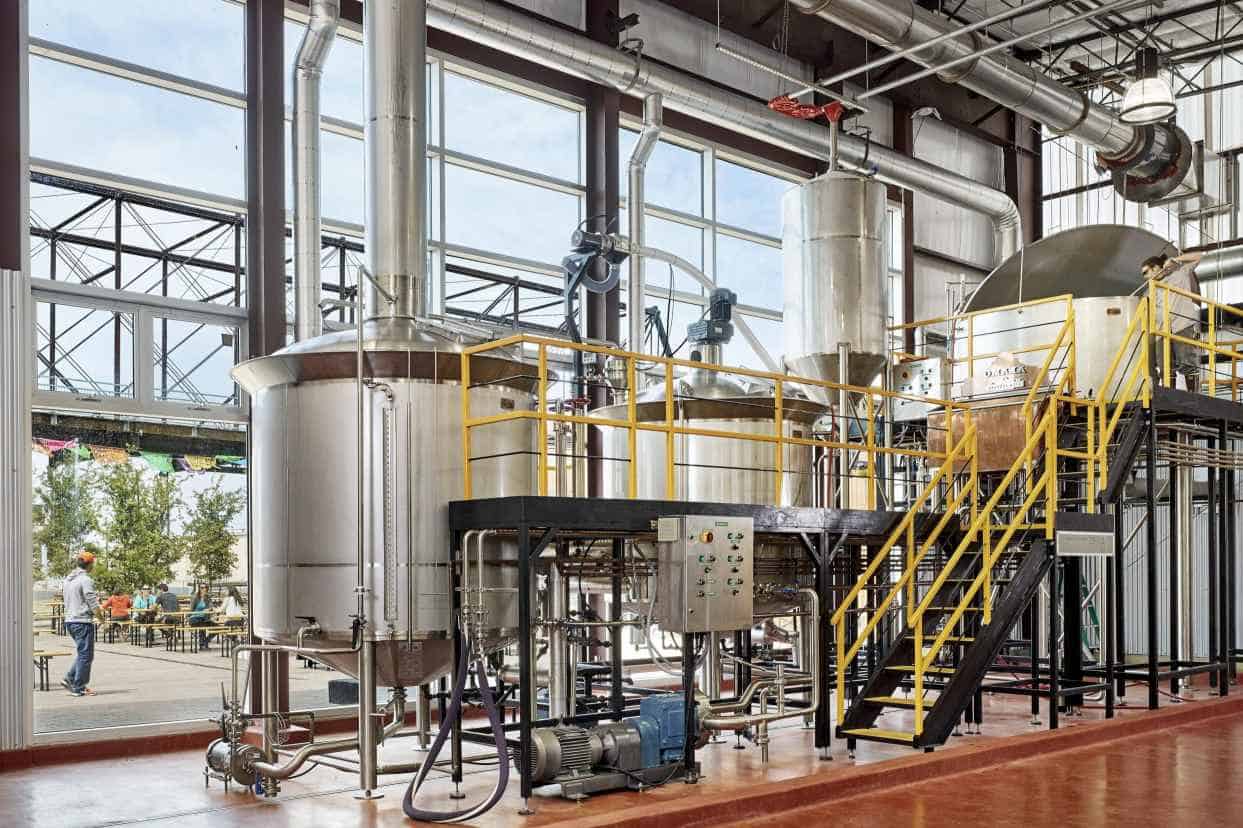 |
| Strategic Equipment Lifecycle Planning |
Frequently Asked Questions (FAQs)
1. What should I look for in a used brewery tank?
Inspect for corrosion, cracks, proper seals, and overall structural integrity. Also, review maintenance history to ensure it was properly cared for.
2. How often should brewery equipment be serviced?
Routine cleaning and minor maintenance should occur daily or weekly, while more comprehensive inspections and servicing should be performed quarterly or annually.
3. Can old equipment be as efficient as new machines?
Yes, with proper maintenance and upgrades such as automated controls or high-efficiency pumps, older equipment can perform nearly as well as modern units.
4. How do I know if a brewery layout is efficient?
Check for smooth workflow, minimal backtracking during production, easy access for maintenance, and room for future expansion.
5. What is the advantage of purchasing from a brewery equipment auction?
Auctions often offer high-quality used equipment at competitive prices, allowing breweries to expand or upgrade without paying full retail costs.


Comments
Post a Comment