Commercial Equipment Auctions: Expanding Opportunities Across Industries
 |
| Commercial Equipment Auctions: Expanding Opportunities Across Industries |
In today’s fast-paced industrial landscape, businesses are constantly seeking ways to optimize operations and maximize value. Enter commercial equipment auctions—a dynamic marketplace where companies can acquire machinery, tools, and technology at competitive prices. These auctions are no longer limited to niche industries; they are emerging as critical avenues for businesses spanning construction, manufacturing, hospitality, agriculture, and more.
Unlike traditional procurement methods, auctions bring transparency and speed. Sellers gain access to a wider pool of potential buyers, while buyers can source equipment that would otherwise be cost-prohibitive. For small to mid-sized businesses, auctions can be a game-changer, allowing them to compete on a more level playing field with larger corporations.
Key Takeaways:
Commercial equipment auctions provide cost-effective access to high-quality equipment for various industries.
They enable businesses to upgrade, scale, or diversify operations without breaking the bank.
Auctions promote sustainability by extending the lifecycle of industrial machinery.
Strategic participation requires research, timing, and understanding of market dynamics.
Both buyers and sellers benefit from transparency, competition, and financial efficiency.
1. How Commercial Equipment Auctions Work
At first glance, a commercial equipment auction might seem like just a bidding event—but there’s much more strategy involved.
1.1 Types of Auctions
Live Auctions: Traditional in-person events where bidders compete in real-time. The energy is palpable, and experienced participants often thrive in this environment.
Online Auctions: Digital platforms have transformed the landscape, enabling remote participation. They offer convenience and access to a global inventory.
Hybrid Auctions: Combining live and online formats, hybrid auctions cater to both local and international audiences.
1.2 Key Participants
Sellers: Businesses looking to liquidate excess or outdated equipment, reduce storage costs, or upgrade machinery.
Buyers: Entrepreneurs, small businesses, or large corporations seeking affordable, high-quality tools.
Auction Houses: The facilitators who ensure transparency, manage logistics, and authenticate equipment.
1.3 The Bidding Process
While simple in theory, successful bidding requires research. Savvy buyers examine equipment specifications, condition reports, and historical market values. Setting budgets and understanding the maximum bid limit can prevent overpaying, especially in competitive environments.
2. Benefits of Participating in Commercial Equipment Auctions
Auctions are more than just a cost-saving measure—they offer strategic advantages that traditional procurement often lacks.
2.1 Cost Efficiency
One of the most obvious benefits is affordability. Equipment that would normally require months of sourcing can be acquired at a fraction of the market price. Even businesses on tight budgets can upgrade or expand their operations without heavy upfront investments.
2.2 Access to High-Quality Equipment
Contrary to some misconceptions, auctioned equipment isn’t always old or worn out. Many sellers include items that are lightly used or replaced due to company restructuring. Buyers often find machines in excellent condition with only minor cosmetic wear.
2.3 Sustainability and Circular Economy
Auctions extend the lifecycle of equipment, reducing waste and promoting sustainability. Instead of ending up in a scrapyard, functional machinery finds a second life, benefiting both the environment and business ecosystems.
2.4 Flexibility Across Industries
Different sectors—from agriculture to food service—benefit uniquely. A construction company might find heavy machinery at a bargain, while a brewery could source specialized brewing equipment. Auctions democratize access, leveling the playing field for businesses of all sizes.
3. Key Industries Leveraging Commercial Equipment Auctions
3.1 Construction and Heavy Machinery
Construction companies frequently turn to auctions to purchase excavators, loaders, and cranes at lower costs. This not only reduces capital expenditure but also allows rapid expansion during high-demand periods.
3.2 Food and Beverage Industry
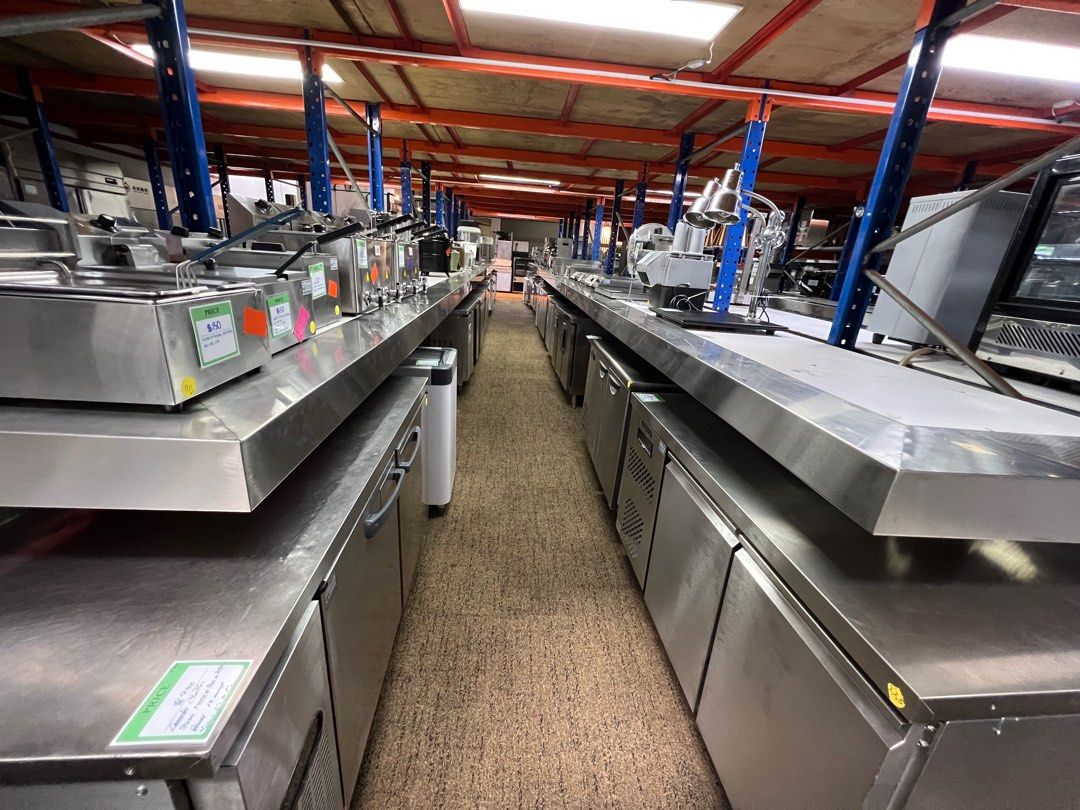
Restaurants, catering services, and breweries utilize auctions to secure ovens, refrigeration units, and specialized brewing machinery. These opportunities are particularly valuable for startups aiming to minimize initial investment costs.
3.3 Manufacturing and Fabrication
Manufacturing firms benefit from access to CNC machines, lathes, and assembly line components. Auctions enable businesses to stay competitive by upgrading technology without overspending.
3.4 Agriculture and Farming
Farmers and agribusinesses can source tractors, plows, and irrigation systems through auctions. This is especially crucial for seasonal operations where equipment needs fluctuate.
3.5 Hospitality and Event Management
Hotels, banquet services, and event companies can find furniture, kitchen appliances, and AV equipment. Auctions help them scale operations while managing costs efficiently.
4. Strategies for Successful Participation
4.1 Conduct Thorough Research
Knowledge is power in auctions. Understanding the historical value of equipment, comparing similar items, and reading condition reports can prevent costly mistakes.
4.2 Set a Budget
It’s easy to get caught in bidding wars. Defining a maximum bid and sticking to it ensures financial discipline.
4.3 Inspect Equipment When Possible
Whenever possible, inspecting equipment before bidding provides insights into wear, maintenance needs, and operational condition. Some auctions offer live demos or detailed videos.
4.4 Understand Auction Terms
Each auction may have unique terms regarding deposits, fees, or removal timelines. Familiarizing yourself with these ensures smooth transactions.
4.5 Monitor Market Trends
Awareness of industry trends can influence timing. For example, buying agricultural machinery after harvest seasons or construction equipment during off-peak months may yield better deals.
5. Challenges and Considerations
While auctions offer numerous benefits, participants should remain mindful of potential pitfalls.
5.1 Limited Warranties
Auctioned equipment may not come with extensive warranties. Buyers should factor potential maintenance costs into their budget.
5.2 Competitive Bidding
High-demand items can drive prices up quickly. Without careful planning, the final cost may approach or exceed market value.
5.3 Logistics and Transportation
Especially for large machinery, organizing transport can be complex. Buyers must plan for delivery, installation, and any necessary permits.
5.4 Due Diligence
Not all sellers disclose every detail. Conducting background checks and verifying ownership helps avoid legal complications.
6. Trends Shaping the Future of Commercial Equipment Auctions
 |
| Trends Shaping the Future of Commercial Equipment Auctions |
6.1 Digital Transformation
Online platforms and real-time bidding apps are making auctions more accessible. Even international buyers can now participate seamlessly, expanding competition and opportunity.
6.2 Data-Driven Decisions
Advanced analytics allow buyers to track historical prices, demand trends, and seller ratings. This data-driven approach improves decision-making and reduces risk.
6.3 Sustainable Practices
The circular economy movement is encouraging businesses to adopt auctions as a core part of equipment lifecycle management. Environmental responsibility is now intertwined with financial strategy.
6.4 Specialized Auction Segments
Certain sectors, like breweries, medical equipment, or food trucks, now have dedicated auctions. This specialization ensures that buyers find highly relevant machinery efficiently.
7. Real-Life Success Stories
7.1 Small Manufacturing Startup
A fledgling metal fabrication company sourced a lightly used CNC machine through an auction. The cost savings enabled them to reinvest in training and marketing, ultimately scaling operations within the first year.
7.2 Farm Expansion
A family-owned farm acquired multiple tractors and irrigation systems via an online auction at half the retail price. The investment increased productivity without incurring debt.
7.3 Restaurant Launch
A new culinary venture purchased refrigeration units, ovens, and prep equipment from a commercial auction. The reduced capital expenditure allowed the owners to focus on menu development and marketing.
These examples illustrate how strategic participation in auctions can transform businesses, regardless of size or sector.
8. Financial Advantages Beyond Initial Savings
While cost reduction is the obvious benefit of participating in auctions, there are subtler financial advantages that many businesses overlook.
8.1 Reduced Depreciation Risk
When purchasing new machinery, the moment it leaves the factory floor, depreciation begins. Auctioned equipment, often lightly used, has already absorbed much of its depreciation. This means businesses can invest in assets that retain more of their value over time.
8.2 Improved Cash Flow
Since auction prices are typically lower than retail, businesses can free up capital for other operational needs, such as staffing, marketing, or expansion. Additionally, the ability to acquire multiple pieces of equipment for less can prevent businesses from over-leveraging or taking on high-interest financing.
8.3 Tax Benefits
Some jurisdictions allow businesses to deduct the cost of used equipment purchases as operational expenses. Engaging with auctions strategically can enhance tax efficiency, particularly for small and medium-sized enterprises looking to optimize their year-end financials.
9. Preparing Your Business for Auction Success
Getting the most out of auctions requires preparation beyond simple research. Strategic planning can make the difference between winning high-value equipment and overpaying—or missing out entirely.
9.1 Establish a Procurement Plan
Before attending an auction, create a list of equipment your business truly needs. Include specifications, desired condition, and budget ranges. Prioritize critical machinery that will directly impact operations.
9.2 Train Your Team
If multiple team members participate in bidding, ensure everyone understands the rules, budget limits, and bidding strategies. Miscommunication can lead to overspending or lost opportunities.
9.3 Scout the Auction
Whether online or in-person, explore upcoming auction catalogs ahead of time. Identifying items of interest and noting their lot numbers allows you to act quickly and decisively during bidding.
9.4 Build Relationships with Auction Houses
Frequent buyers often develop strong relationships with auction houses. These connections can provide early notifications of upcoming sales, insider tips on item conditions, and even private deals.
10. Auction Trends Driving Market Growth
The landscape of commercial equipment auctions continues to evolve, influenced by technology, market demand, and shifting business priorities.
10.1 Increased Online Adoption
Online auction platforms now dominate much of the industry. This opens up equipment access to businesses that previously couldn’t attend in-person events due to geographic or time constraints.
10.2 Data Analytics for Smarter Bidding
Platforms now offer real-time analytics, tracking how similar items have sold in past auctions. Buyers can make more informed decisions, estimating the probability of success and avoiding overbidding.
10.3 Global Reach
Cross-border auctions are becoming more common, allowing businesses to access equipment from international markets. While logistics can be challenging, the opportunity to acquire rare or specialized machinery makes it worthwhile for many enterprises.
10.4 Focus on Sustainability
With growing awareness around corporate sustainability, auctions are increasingly marketed as eco-friendly solutions. Businesses can position themselves as environmentally responsible by acquiring and repurposing pre-owned equipment.
12. Expert Tips for First-Time Auction Participants
For newcomers, auctions may seem intimidating. However, following these expert tips can reduce risk and increase success:
Start Small: Begin with smaller, less expensive lots to gain experience without major financial risk.
Attend as an Observer: Many auctions allow potential buyers to observe before participating. This helps understand the pace and tactics.
Ask Questions: Auction staff are a valuable resource. Inquire about equipment history, warranties, or unusual terms.
Use Proxy Bidding: Online platforms often allow proxy bids, where you set your maximum bid and let the system automatically increase your bid in increments, preventing overspending.
Network: Other buyers and sellers can offer insights into upcoming auctions or hidden opportunities. Networking can provide access to deals before they go live.
13. The Role of Auctions in the Future of Industry
| The Role of Auctions in the Future of Industry |
13.1 Circular Economy Integration
Auctions help businesses adopt circular economy principles, where resources are reused and repurposed rather than discarded. Companies gain access to affordable equipment, while sellers reduce waste.
13.2 Technology Integration
Future auctions may leverage AI and machine learning to predict bidding trends, recommend items based on buyer behavior, and even facilitate smarter logistics and maintenance tracking.
13.3 Global Market Fluidity
Cross-border equipment sales are likely to increase. Companies will have access to machinery tailored to niche operations worldwide, providing new opportunities for innovation and expansion.
Conclusion
Commercial equipment auctions are more than just a way to buy and sell machinery—they are strategic tools for growth, sustainability, and operational efficiency. Businesses across industries benefit from cost savings, access to high-quality equipment, and market flexibility. Success requires research, planning, and awareness of industry trends. With the digital transformation of auctions, opportunities are expanding, making this a critical avenue for forward-thinking companies.
Participating in a commercial equipment auction can unlock value, extend equipment lifecycles, and level the competitive landscape. For both buyers and sellers, the potential is vast—but navigating it thoughtfully ensures long-term benefits.
FAQs
1. What is a commercial equipment auction?
A commercial equipment auction is a marketplace where businesses can buy or sell industrial machinery, tools, and equipment through competitive bidding, either in-person, online, or a hybrid of both.
2. How do I determine the value of equipment at an auction?
Research comparable items, review condition reports, check historical auction prices, and consider potential maintenance costs to estimate fair value.
3. Are auctioned machines reliable?
Many are lightly used or in excellent condition. However, buyers should inspect equipment, ask for maintenance records, and factor in potential repairs.
4. Can small businesses compete with larger corporations in auctions?
Yes. Strategic bidding, research, and timing allow small businesses to acquire valuable equipment without being outmatched financially.
5. What industries benefit most from commercial equipment auctions?
Construction, manufacturing, agriculture, food and beverage, and hospitality industries find significant value, but opportunities exist across nearly every sector.


Comments
Post a Comment